- Moneyhoot
- Posts
- Weird Ways to Win at the Pump
Weird Ways to Win at the Pump
Weirdly effective ways to cut fuel costs without making family life harder

Jim Copenhaver
April 05, 2026
Money Matters: Lately, filling the tank feels like robbery with fluorescent lighting, plus a soda that costs too much and a snack cake one strong breeze from expiring.
As of April 5, 2026, AAA’s national average for regular gas is $4.11 a gallon, up from $3.25 a month ago. That is a fast jump, and for a family of four with school runs, work commutes, practice, errands, and one child who somehow remembers a poster board project at 8:47 p.m., it adds up quickly.
The helpful part is this: you do not have to solve this only by “driving less.” Most families cannot simply cancel life. The better move is to find the leaks around the edges: where you buy fuel, how you combine trips, what you carry on the car, and which habits quietly burn money without announcing themselves first.
This week, we are looking at what is happening now, what may happen next, and a few weirdly effective ways to protect the family budget without turning your minivan into a monk.
Survey says:
AAA says the national average for regular gas is $4.11 on April 5, 2026. A month ago it was $3.25, so the jump has been quick enough to hit a household budget before most families even update their grocery list.
AAA reported $4.08 on April 2, up $1.08 from a month earlier. That matters because fuel spikes feel small at the pump and large in the monthly total.
EIA’s March outlook says U.S. gasoline prices should ease later in 2026, falling back close to $3.00 a gallon by year-end in its base forecast. That is a reminder that today’s pain may not be permanent, even if the next few weeks stay choppy.
Reuters reported analysts see near-term risk of $4.25 to $4.45 a gallon, and possibly above $5 if Middle East supply disruption continues. In plain English: the short run could stay uncomfortable even if the longer-run forecast looks calmer.
FuelEconomy.gov says aggressive driving can cut gas mileage by about 15% to 30% on highways and 10% to 40% in stop-and-go traffic. That means one of the cheapest “fuel upgrades” is not at the gas station at all.
Inside Today’s Issue:
😎 Our Favorite Resources
👍 Why gas jumped so fast, and why the forecast is weirdly split
🥷 The hidden costs that matter
❓ Five not-so-obvious ways to lower your real fuel bill
🤷♀️ What’s up for next week
First time reading? Sign up here

Worth Your Time
Our favorite resources
💵AAA gas prices for the national average and your state’s current price.
⛽FuelEconomy Trip Calculator to compare routes, vehicle costs, and fuel assumptions before summer travel.
👀ICYMI: Tax season is here, and that refund could help cushion the blow of higher prices. If yours seems to be taking the scenic route, This Issue breaks down what might be causing the delay and what to do about it.
📜Quote
“Rising gas prices may be the most effective accidental weight-loss program the American family has ever seen.” - Anonymous
Today’s Main Event
The Price on the Sign Is Only Part of the Story
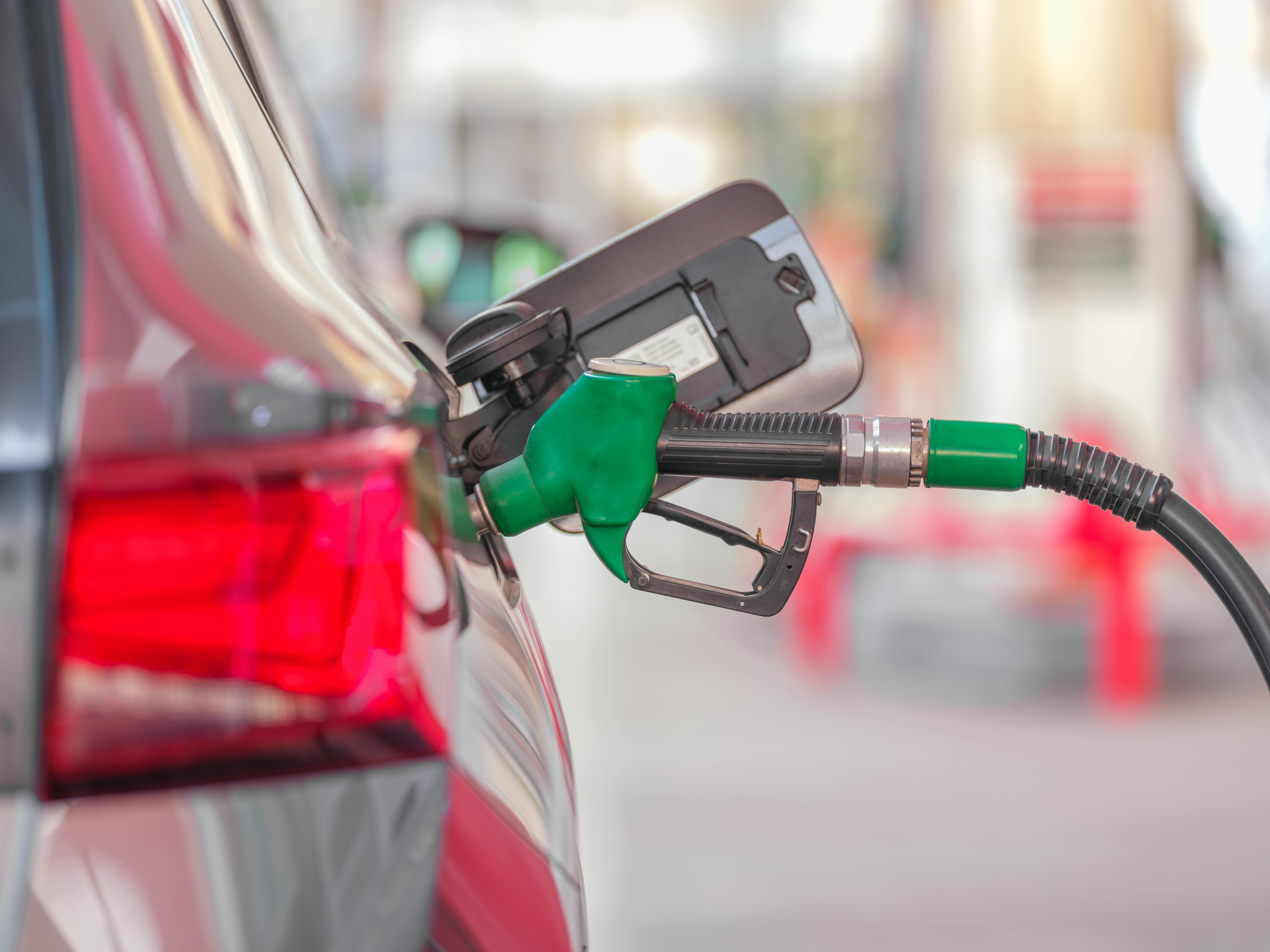
Gas prices do not usually blow up the budget in one dramatic moment. They sneak in a few dollars at a time, then by the end of the month they are walking around like they live there.
For a family of four, the real issue is not just what happens at the pump. It is what happens to the calendar. The messier the week gets, the more money disappears into extra pickups, split errands, and those “real quick” trips that are never real quick.
So the real question is not, “How do we shave a little off each gallon?” It is, “How do we stop paying for family chaos in unleaded?”
What is happening right now
The short version: pump prices jumped fast because oil and fuel markets got rattled by Middle East disruption. AAA now has the national average above $4, while Reuters reports analysts still see more near-term upside if shipping problems continue.
At the same time, EIA’s broader 2026 outlook is less dramatic. Its base case says gasoline prices should cool later this year, with prices drifting down in the third and fourth quarters.
So both things can be true at once: the next few weeks may stay expensive, and the whole year may still average lower than this moment feels.
That is useful because it keeps us from making dramatic money decisions based on one ugly month.
You probably do not need to replace the family car tomorrow. You probably do need a better system for the next 60 to 90 days.
The weird truth: the pump is only part of the problem
Most people attack fuel costs by chasing cheaper stations. That can help, but it is rarely the biggest lever.
If you drive 1,000 miles a month in a 25-mpg vehicle, the move from $3.25 to $4.11 gas adds about $34 a month for that vehicle. That matters.
But wasted trips, school pickups done as three separate loops, roof storage left on all week, long idling lines, and hard acceleration can quietly do the same kind of damage.
This is why some “weird” solutions work better than the obvious ones. They reduce total fuel used, not just the sticker shock of where you filled up.
What to expect next
In the near future, expect two competing forces.
The first is continued short-term volatility. If oil supply problems persist, higher pump prices can stick around or rise further. Reuters’ recent reporting points to that risk clearly.
The second is a calmer base-case later in the year. EIA still expects prices to ease from current levels as 2026 goes on. That means the best family response is not panic. It is flexibility. Build a temporary system that protects cash flow now, then relax it if prices cool.
5 Weirdly Effective Ways to Beat High Gas Prices

1. Turn errands into 2 smart loops instead of 6 random trips.
One planned route beats a handful of “real quick” drives every time.
Drop your weekly stops into an AI tool and ask it to group them into 2 efficient outings by location and deadline.
AI is not solving civilization here. It is just helping you stop driving past the same pharmacy 3 times and buying snacks you did not plan on.
2. Save up to 50 cents a gallon, but only if it is actually on the way.
Warehouse gas can be cheaper, sometimes by as much as 50 cents per gallon.
But if you need a 20-minute detour to get it, you are not saving money. You are starting a hobby.
The smart move is to check whether the savings beat the membership fee and the extra miles.
3. Take 15 pounds of “maybe later” off the car.
Roof boxes, extra sports gear, and “temporary” cargo all make your vehicle work harder.
If your car is still carrying last month’s camping optimism, that is now a fuel expense.
Less weight and less drag mean better mileage without changing your life.
4. Cut any idling over 10 seconds.
According to the Department of Energy, idling for more than 10 seconds uses more fuel than restarting.
And depending on the vehicle, parked idling can burn about 0.25 to 1 gallon per hour.
That means school pickup lines and practice parking lots can quietly become a budget category.
5. Drive 5 percent calmer and save money for free.
You do not need to drive like a monk on a retreat. Just ease up a little.
Smoother acceleration, less hard braking, and slightly lower highway speeds can improve mileage right away.
It is one of the few money-saving habits that costs $0 and starts working today.
The Takeaway
The best way to handle expensive gas is not heroic sacrifice. It is reducing dumb miles, idle time, drag, and fragmented errands.
You may not control the oil market. You can absolutely control whether Tuesday’s school pickup somehow turns into a 14-mile side quest with smoothies.
And honestly, that is real power.
Until Next Time
The Wrap Up
This week’s theme was simple: when gas gets expensive, the smartest fix is usually not dramatic. It is a handful of small systems that keep a busy family from paying extra for disorganization.
If this issue made you think of one friend who is currently funding half their week through windshield time, share it with them.
And if you want, hit reply and tell me the strangest errand chain your family has ever attempted in one afternoon.
Jim & the MoneyHoot Team 🦉
👉 Please take 1 click and rate this issue — it helps us make MoneyHoot better.
👉 Follow us on Twitter @MoneyHoot for daily money tips and occasional IRS wait-time therapy.
👉 Forward this to a friend who filed in February and still checks "Where's My Refund?" like it's a lottery ticket.
Rate Today's Edition |
DISCLAIMER: None of this is financial advice. This newsletter is strictly educational and is not investment advice or a solicitation to buy or sell any assets or to make any financial decisions. Please be careful and do your own research.