- Moneyhoot
- Posts
- How a War Over There Gets Expensive Over Here
How a War Over There Gets Expensive Over Here
How global shocks travel from headlines to your household budget and what a family of four can do about it.

Jim Copenhaver
March 08, 2026
Money Matters:
The global economy is a little like your family group text: one dramatic message goes out, and suddenly everybody’s plans get weird.
When conflict involving a major oil-producing region heats up, the first thing many families notice is not a map. It is the gas station sign blinking back at them like it has personal beef with their minivan.
As of March 5, the national average for regular gas had jumped nearly 27 cents in a week to $3.25 a gallon, with AAA tying the move to conflict in the Middle East.
Inflation overall has cooled from its worst stretch, but groceries and everyday essentials are still not exactly giving out hugs.
The good news is that these shocks do not arrive as one giant mystery bill labeled “world events.” They move through a few predictable channels: fuel, food, borrowing costs, and the occasional supply-chain hiccup that turns “normal errand” into “why is this suddenly unavailable?”
Once you know the route, you can make a few smart adjustments without canceling joy or eating beans in silence.
That is today’s job: make the chain reaction understandable, then give it a smaller seat at your kitchen table.
Survey says:
AAA said the national average for regular gas rose nearly 27 cents in one week to $3.25 a gallon on March 5. That matters because fuel is often the first place a global shock hits family cash flow.
Groceries are still up from a year ago: BLS reported that in January 2026, food at home was up 2.1% year over year, while food away from home was up 4.0%.
Big oil spikes do not stay at the pump: in a Fed model, a 30% oil jump added nearly 1 full percentage point to headline inflation.
Crude oil makes up about 53% of the price of a gallon of gas, so when oil jumps overseas, family budgets usually feel it fast at the pump.
Inside Today’s Issue:
⛽ Why oil shocks often hit the gas tank first
🛒 How higher fuel costs quietly spread into groceries and deliveries
💲 Why interest rates can stay annoying even when inflation is improving
➡️ What “supply chain problems” actually mean for normal families
⚖️ Five low-stress moves that can soften the blow
First time reading? Sign up here

Worth Your Time
Our favorite resources
💵Budgeting
⛽ AAA Gas Prices: A quick reality check before you assume the station near soccer practice has lost its mind.
🍴USDA Food Price Outlook: A useful, grown-up way to see where grocery prices may be heading without doom-scrolling.
🛢️EIA: What Affects Gasoline Prices: Helpful if you want the plain-English version of why oil, refining, and taxes all pile into one gallon.
👀ICYMI: Global shocks may be out of your control, but your next money move is not. For help with that part, read our earlier issue, Turn ChatGPT Into Your Family Budget Coach.
📜Quote
“Giving money and power to government is like giving whiskey and car keys to teenage boys.” - P. J. O’Rourke
Today’s Main Event
How a War Over There Hits Your Budget Here
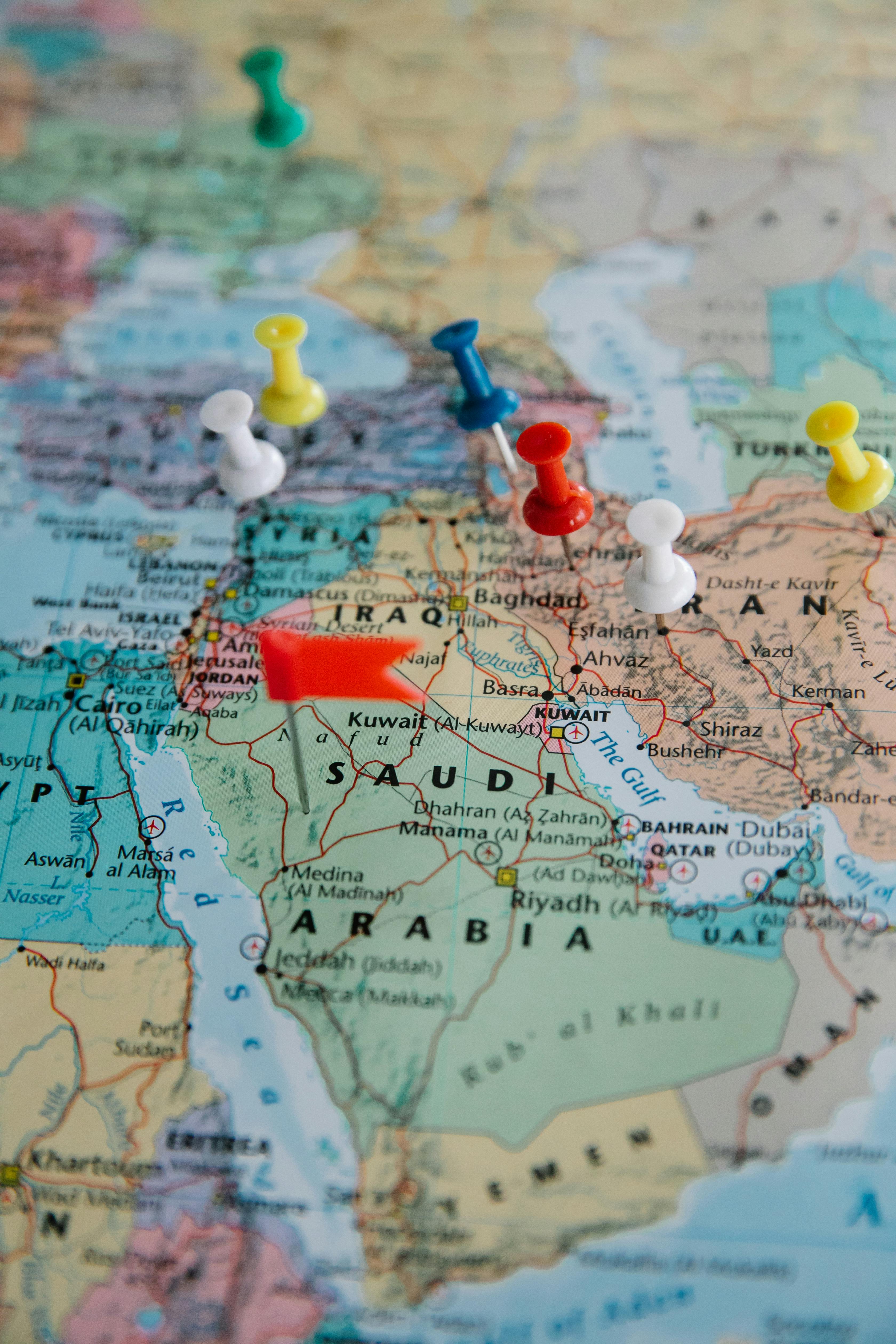
Here is the part that helps: most global shocks do not hit your budget all at once. They move through a handful of channels, in a pretty familiar order.
Once you see the pattern, it gets less spooky and more manageable.
That’s not nothing.
1. Gas prices are usually the first messenger
If conflict threatens oil supply, shipping routes, or trader confidence, crude oil prices often rise first. Since crude oil makes up the biggest share of what you pay at the pump, gas stations tend to pass that through pretty quickly. EIA says crude oil is the largest component of retail gasoline prices, and AAA’s latest update already shows that kind of jump happening in real time.
For a family of four, this usually shows up as:
More expensive school drop-offs, commuting, and weekend errands
Higher costs for delivery services and ride shares
Less room in the monthly budget for the small stuff that keeps family life pleasant
2. Then fuel costs spread into groceries and everyday goods
Higher fuel prices do not stay politely inside the gas station. Trucks move food. Warehouses use energy. Farm equipment runs on fuel.
Shipping gets more expensive, and eventually some of that cost shows up in grocery aisles, takeout, and household basics.
That does not mean every item jumps at once. Usually it looks more like this:
Produce and packaged foods inch up over a few weeks or months
Restaurant meals stay expensive because labor and operating costs are already high
Imported or hard-to-replace products get weird first
BLS reported grocery prices were up 2.1% from a year earlier in January, while food away from home was up 4.0%.
So even before any new shock fully works its way through, families are already paying more for convenience.
3. Interest rates can keep pressure on the budget
A lot of people hear “global shock” and think only about gas and groceries. But if a shock makes inflation harder to tame, the Fed may be slower to cut rates, or could stay cautious longer.
In January, the Fed kept its target range at 3.5% to 3.75%, and the prime rate was 6.75% in early March.
For families, that can mean:
Credit card balances stay expensive
Auto loans do not get meaningfully friendlier
Home equity loans, variable rates, and other borrowing costs stay sticky
This is one of the sneakiest transmission channels because it does not arrive with a siren.
It just makes “we’ll float it for a month” a pricier habit than it used to be.
4. Supply chains are better now, but not invincible
The good news: the full-blown supply-chain circus of a few years ago has eased. The New York Fed’s supply chain pressure index is much lower than its peak, which suggests the system is more stable overall.
The less-fun news: “more stable” is not the same as “nothing can go wrong.”
A war, shipping disruption, weather event, or factory slowdown can still cause short-term shortages or price spikes in specific categories.
Families usually notice this as:
One brand suddenly disappearing
A replacement item costing more
Delivery dates getting fuzzy
Routine purchases becoming mildly theatrical
You do not need to panic-buy paper towels in a moonlit frenzy. But it is reasonable to expect occasional bumps.
5. What this means for a normal family budget
For a typical family of four, global shocks usually land in layers:
Week 1-2: gas gets more expensive
Next few weeks: delivery, travel, and some groceries feel tighter
Next few months: borrowing costs stay annoying, and a few categories get pricier or harder to find
That is why these moments can feel confusing. The headline is about geopolitics. The impact is about whether your monthly budget still closes without muttering.
The key is to treat this like weather, not a moral test. You do not need the perfect budget. You need a budget with a little flex.
You need fewer expensive surprises. You need a plan that still makes sense when the world gets unpredictable.
The Takeaway: a war or global shock reaches your family budget through a few predictable doors - fuel, food, rates, and supply chains.
When you know which doors to watch, you can respond early, stay calmer, and protect more of your money from chaos.
Your Practical Plan for Pricier Times

You do not need a bunker. You need a few smarter defaults.
When global shocks push up gas, groceries, and borrowing costs, the goal is not to become a whole new family.
The goal is to make your current family slightly harder to financially annoy.
1. Build a tiny shock absorber
Add a small buffer line to your budget just for temporary jumps in gas and groceries.
Even $25 to $50 a week can keep a rough month from turning into a credit-card month.
It is not glamorous, but neither is swiping your way through geopolitical tension.
2. Cut one convenience habit, not your will to live
Do not try to slash everything. Just make one expensive convenience habit slightly cheaper.
That could mean:
one less delivery night
one fewer “grab something on the way home” dinner
one combined errand run instead of three
Small tweaks work better than dramatic vows made in a Target parking lot.
3. Create a “prices got crazy” meal list
Keep a short list of backup meals made from flexible, low-drama ingredients your family already likes.
Think:
pasta
tacos
breakfast for dinner
rice bowls
soup
frozen pizzas for emotional emergencies
The point is not to become a prepper.
The point is to avoid expensive last-minute decisions when prices jump or shelves get wonky.
4. Grab the basics before they start acting pricey
If household basics go on sale, buy a little ahead.
Focus on things you always use:
pantry staples
toiletries
lunchbox basics
cleaning supplies
This is not hoarding. This is future-you leaving present-you a small thank-you note.
5. Treat gas like it is in a mood
When oil jumps, gas is usually the first budget line to get dramatic.
A few low-effort moves help:
batch errands
carpool when it is easy
keep tires inflated
fill up before the tank becomes a suspense novel
avoid unnecessary extra trips
No, this is not thrilling. But paying more to drive to the store twice is somehow even less thrilling.
6. Protect timing, not just totals
Sometimes the real problem is not that everything costs more. It is that everything costs more at the wrong moment.
A few fixes:
move a bill due date closer to payday
keep a small checking cushion
automate minimum payments
pay extra toward the highest-interest debt first
A family with decent cash-flow timing can survive a surprising amount of nonsense.
7. Identify your “fragile” categories
Some parts of the budget get hit faster than others during global shocks.
Usually that means:
gas
groceries
takeout
travel
anything financed at a high rate
Circle the two categories most likely to wobble in your house and adjust those first.
That’s smarter than trying to become a perfect budget person by Tuesday.
Wrapping Things Up…
The smartest response to global shocks is not panic, and it is not perfection. It is building a household that can take a hit without every budget category falling over like cheap patio furniture.
You do not need to control the world. You just need a plan that still works when the world decides to get weird.
These steps matter because resilience is usually built from small systems, not dramatic speeches.
Until Next Time
What’s Up Next Week
This week’s big idea is simple: global shocks may start far away, but they reach home through a few familiar budget lines. When you know the route, you can make smaller, calmer moves before the squeeze gets bigger.
Next week, come back for a closer look at the sneaky budget busters lurking in your monthly spending.
If this issue helped, share it with one person who likes practical money advice without the usual guilt trip in business casual and if you have a question about your family budget, hit reply - I read those.
Rate Today's Edition |
DISCLAIMER: None of this is financial advice. This newsletter is strictly educational and is not investment advice or a solicitation to buy or sell any assets or to make any financial decisions. Please be careful and do your own research.