- Moneyhoot
- Posts
- A Free $1,000 Start for Your Baby’s Future
A Free $1,000 Start for Your Baby’s Future
What these new government-seeded child investment accounts are, who gets the free $1,000, and why the fine print matters more than the headline

Jim Copenhaver
April 19, 2026
Money Matters: A free $1,000 for your kid sounds great. It also sounds like the kind of sentence that usually leads to three forms, two passwords, and one family argument near the printer.
These new child investment accounts were created under the One, Big, Beautiful Bill Act, and the IRS says they are a new tax-advantaged account for children under 18.
The catch is that the headline and the rules are not the same.
Any child under 18 may be able to have an account opened, but only children born between January 1, 2025 and December 31, 2028 who are U.S. citizens with valid Social Security numbers qualify for the one-time $1,000 government seed contribution.
For families, that matters because this is not a free college fund or a normal savings account. It is a limited investment account with IRA-style rules and some setup friction.
That does not make it bad. It just means it is worth understanding before you assume the stork also delivers paperwork support.
So today, we are doing the useful version: what it is, who qualifies, how it grows, where it falls short, and how to set it up.
Finally, we worked hard to make this useful, but please do your own homework before acting on it. Program rules, eligibility, timing, and tax treatment can change, so confirm the details with official sources and, if needed, a qualified tax, legal, or financial professional.
Survey says:
4 million children had been signed up for Trump Accounts, with 1 million claiming the $1,000 pilot contribution, according to the IRS. That tells you two things at once: the program is active, and a lot of eligible families still have not completed the extra step needed for the seed money.
The government seed is $1,000, but the account must be invested in approved U.S. stock-index funds, not parked like cash in a bank savings account. That means the upside can be better over time, but the growth will rise and fall with the market.
If that $1,000 earned a steady 7% a year for 18 years, it would grow to about $3,500. Helpful, yes. Magical, no. This is a head start, not a full ride. Growth examples like this are estimates, not promises.
At the March 2026 national average, a regular savings account paid about 0.39%. In plain English: the Trump Account is riskier than a savings account, but it at least gives the money a chance to grow faster than “bank account beige.”
A 529 plan still has a cleaner education-specific tax benefit. IRS guidance says 529 earnings are generally tax-free when used for qualified education expenses, while Trump Accounts eventually shift into traditional-IRA-style rules after age 18.
Inside Today’s Issue:
😎 Our Favorite Resources
❓ What this $1,000 child account actually is
📈 What the account could realistically grow to
⚖️ How it compares with a 529, UGMA/UTMA, and plain savings
📋 The step-by-step setup checklist for busy parents
🤷♀️ A quick wrap-up and next steps
First time reading? Sign up here

Worth Your Time
Our favorite resources
📈Investing:
The official IRS overview: Trump Accounts
The official enrollment site: TrumpAccounts.gov
A simple compounding tool for running your own numbers: SEC compound interest calculator
👀ICYMI
Looking for places to cut back and build savings for your kids? Check out our issue on the real cost of youth sports and how trimming that budget can free up money for college or other long-term goals.
📜Quote
“I want my children to have all the things I couldn’t afford. Then I want to move in with them.” - Phyllis Diller
Today’s Main Event
Your Kid’s $1,000 Head Start, Explained

This is the part where we translate the headline into real life.
Because “your child gets $1,000” is exciting, but “what exactly did we just open?” is the more useful question.
First: what kind of account is this?
A Trump Account is not a regular savings account, a 529 plan, a trust, or a basic custodial brokerage account.
IRS proposed regulations say it is a type of traditional IRA with special rules for children, and the money must be invested in certain mutual funds or ETFs tied to the S&P 500 or another U.S. stock index.
In plain English, it is a tax-advantaged child investment account with IRA-style rules and tighter limits while the child is young. That explains both the appeal and the oddness.
Second: who qualifies for the free $1,000?
Here is the big split. Any eligible child under 18 can potentially have a Trump Account opened, but the government’s one-time $1,000 pilot contribution is only for children who are:
born between January 1, 2025 and December 31, 2028
U.S. citizens
issued a valid Social Security number before the election is made
the subject of a valid election, with no prior pilot election already processed for them
That means not all children qualify for the seed money. A 10-year-old can still have an account opened, but will not get the automatic government $1,000 under the current pilot rules. That is the first piece of fine print families should know.
Third: does the money show up automatically?
Not exactly. The Federal Register and IRS instructions are clear that the $1,000 contribution does not happen unless an election is made for the child.
Right now that election is tied to Form 4547, and official guidance says you may also be able to do this online through the government site. The site says families enroll by making the election, and then Treasury or its agent reaches out later to activate the account.
So the short version is: automatic enough to sound easy, manual enough that you should not assume it happened by magic.
Fourth: who controls the account, and when does the child get it?
The child owns the account, but the adult who opens it controls it until the child turns 18. That adult can choose approved investments, manage rollovers, and name a successor.
The official site says that adult serves as the sole custodian until age 18, and IRS guidance says withdrawals generally cannot happen before January 1 of the year the child turns 18.
After that, the account generally moves into traditional IRA treatment.
That is the tradeoff. A 529 is built for education. A UGMA/UTMA is more flexible but becomes the child’s property under state rules.
This account is more restricted early, then shifts into IRA-style rules later.
A regular savings account is simpler, but the growth potential is usually much lower.
Fifth: who can contribute, and how much could it grow?
IRS instructions say contributions can come from parents, the child, relatives, employers, and others. Total non-government contributions are generally capped at $5,000 a year.
Employer contributions count toward that cap, and employers can contribute up to $2,500 a year without it counting as taxable income to the employee.
Some states, charities, and similar groups may also be able to contribute.
Here is what growth could look like by age 18 using a 7% annual return. These are estimates, not guarantees.
No family contributions: $1,000 grows to about $3,500
Modest family help: $1,000 plus $50 a month grows to about $25,000
Stronger steady help: $1,000 plus $100 a month grows to about $46,500
Near the annual max: $1,000 plus about $417 a month grows to about $183,000
This is where the account is both helpful and limited. The free $1,000 is a real head start, but the bigger gains depend on adding more over time.
Families with tighter budgets still get the seed money, but less of the compounding upside. That is not a flaw in the account. It is just how the math works.
Takeaway
The Trump Account is best understood as a government-seeded child investment account, not a simple savings account and not a replacement for every other option.
If your child qualifies, the $1,000 is worth claiming.
But the smartest way to view it is as one tool: a useful head start, not a complete plan.
Your Free $1,000 Setup Checklist
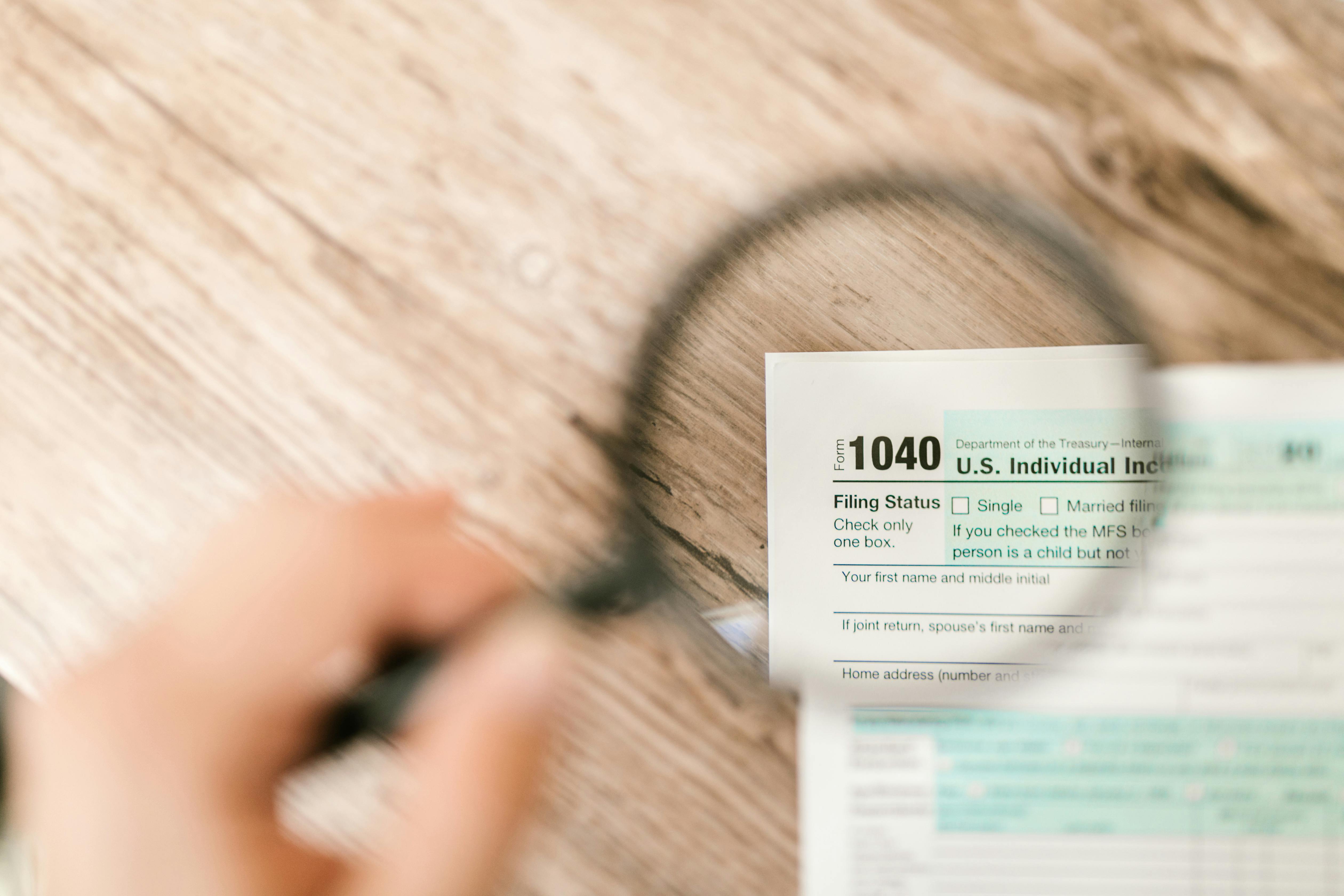
If your child may qualify, here is the least-chaotic way to handle setup.
1. Check basic eligibility first.
For the free $1,000, confirm your child was born between January 1, 2025 and December 31, 2028, is a U.S. citizen, and already has a valid Social Security number.
For just opening an account without the seed, the child generally must be under 18 when the election is made.
2. Gather the boring-but-important documents before you start.
You will likely need the child’s Social Security number, your own identifying information, and basic family relationship details for the election.
If the child’s SSN card has work-status language on it, IRS instructions say validity can matter, so fix that first if needed.
3. Open or claim the account through the official path.
The IRS says the election is made on Form 4547, and the official site says families can also use the government enrollment portal.
After the election, Treasury or its agent sends the adult instructions to authenticate and finish activation.
4. Choose the right adult to make the election.
The person who files becomes the responsible party while the child is a minor.
IRS instructions say priority can matter when only opening the account, and when claiming the pilot contribution the filer generally needs to expect the child to be their qualifying child for that tax year.
5. Set contributions on autopilot once funding opens.
Official guidance says accounts cannot be funded before July 4, 2026. Once the account is active, set a monthly transfer you can actually live with, even if it is small.
A boring automatic $25 or $50 is better than an ambitious plan that lasts until approximately next Tuesday.
6. Give grandparents and relatives one simple lane.
Since other people can contribute too, send them one clear instruction set instead of five family text threads and one “I mailed a check somewhere.”
An AI tool can help here in a practical way: paste the rules into it and ask for a one-paragraph family explainer with the contribution steps.
Faster, calmer, and with fewer cousin group-chat theories.
7. If your child qualifies and nothing appears, do not assume the government forgot lovingly. Follow up.
Check whether Form 4547 was actually filed, whether the child had a valid SSN before the election date, and whether the election was made for both the account and the pilot contribution if applicable.
The Federal Register makes clear that no $1,000 seed is paid unless the child has an established account and a valid election.
These steps matter because the $1,000 is useful, but only if the setup is actually completed and the account keeps working after the headline wears off.
Until Next Time
The Wrap Up
This week’s bottom line: the free $1,000 is real, the account is real, and the opportunity is worth understanding.
It is also not a magic pile of money. It is a small start that works best when families know the rules and add what they can over time.
Read this one, share it with the grandparent who loves a tax break, and hit reply if you want a side-by-side issue on Trump Accounts vs. 529 plans next.
Until next time,
Jim and the Hootsquad
Rate Today's Edition |
DISCLAIMER: None of this is financial advice. This newsletter is strictly educational and is not investment advice or a solicitation to buy or sell any assets or to make any financial decisions. Please be careful and do your own research.